Food
The best taralli in the province of Brindisi: types, bakeries and how to carry them home
Quick answer
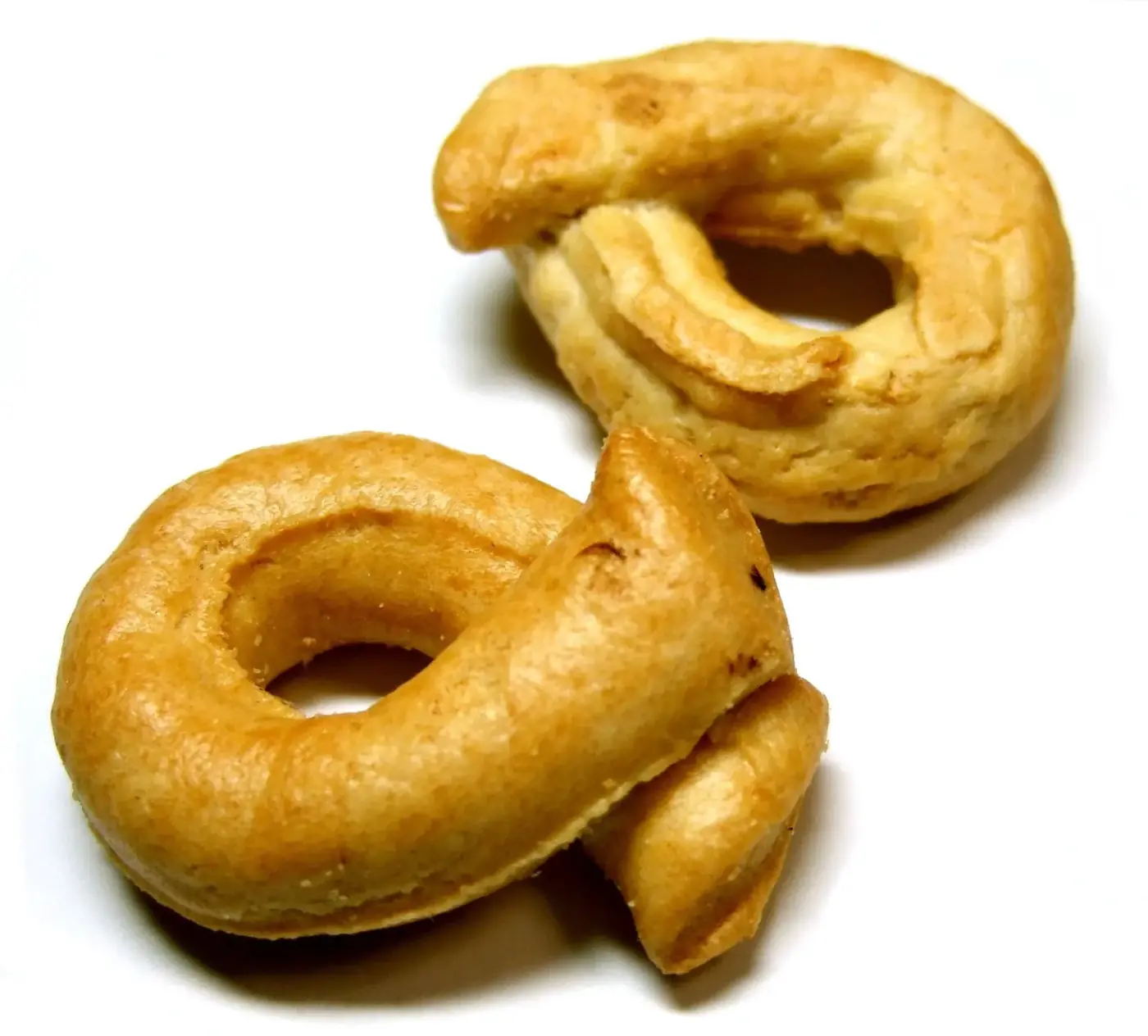
The best taralli in the province of Brindisi come from small bakeries, sold loose by weight: try the classic with fennel seeds, the chilli version and, at Easter, sweet glazed taralli. Well-regarded places include Il Forno di Erasmo in Mesagne, Panificio da Mimina in Carovigno and Panificio Cisternino. Good taralli list only flour, extra virgin olive oil, white wine and salt.
| What they are | Crunchy rings of flour, olive oil, white wine and salt, usually boiled then baked |
|---|---|
| Must-try flavours | Fennel seed, chilli, black pepper, onion; sweet glazed at Easter |
| Best place to buy | Village bakeries, sold loose by weight in paper bags |
| Bakeries to know | Mesagne (about 15 to 20 min), Carovigno (about 25 min), Cisternino (about 45 to 50 min) |
| Shelf life | A few weeks if kept sealed and dry |
| Hand luggage | Allowed: they are a solid food, not a liquid |
| Good sign | Short ingredient list with extra virgin olive oil, no seed oil |
Why are taralli such a big deal in Brindisi?
At every aperitivo in Brindisi the same small bowl arrives before you ask: a handful of olives and a pile of pale golden rings. Nobody orders them. They simply come, like the glass of water with an espresso. Those rings are taralli, and in this corner of Puglia they are less a snack than a habit.
Taralli are made from a short list of things the land here has always produced: durum or soft wheat flour, olive oil, a splash of white wine and salt. The dough is rolled into thin ropes, closed into rings, usually boiled for a moment until they float, then baked until crisp. They keep for weeks, which is why every grandmother made them in batches and why they travel so well in a suitcase.
Food writers like to point out that ring-shaped bread offerings have been reported at an ancient sanctuary near Oria, in this same province, from around the 6th to 5th century BC. Whatever the truth, the province of Brindisi still has bakeries that make them by hand every morning.
What types of taralli should you try?
Walk into any bakery in the province and you will see big glass jars or open sacks of taralli, each with a handwritten label. These are the ones to know.
| Type | What it tastes like | Best with |
|---|---|---|
| Classico (plain, with olive oil) | Clean, slightly salty, a little wine in the background | Anything; the test of a good bakery |
| Al finocchio (fennel seed) | Sweet aniseed notes, the local favourite | A glass of Negroamaro rosé |
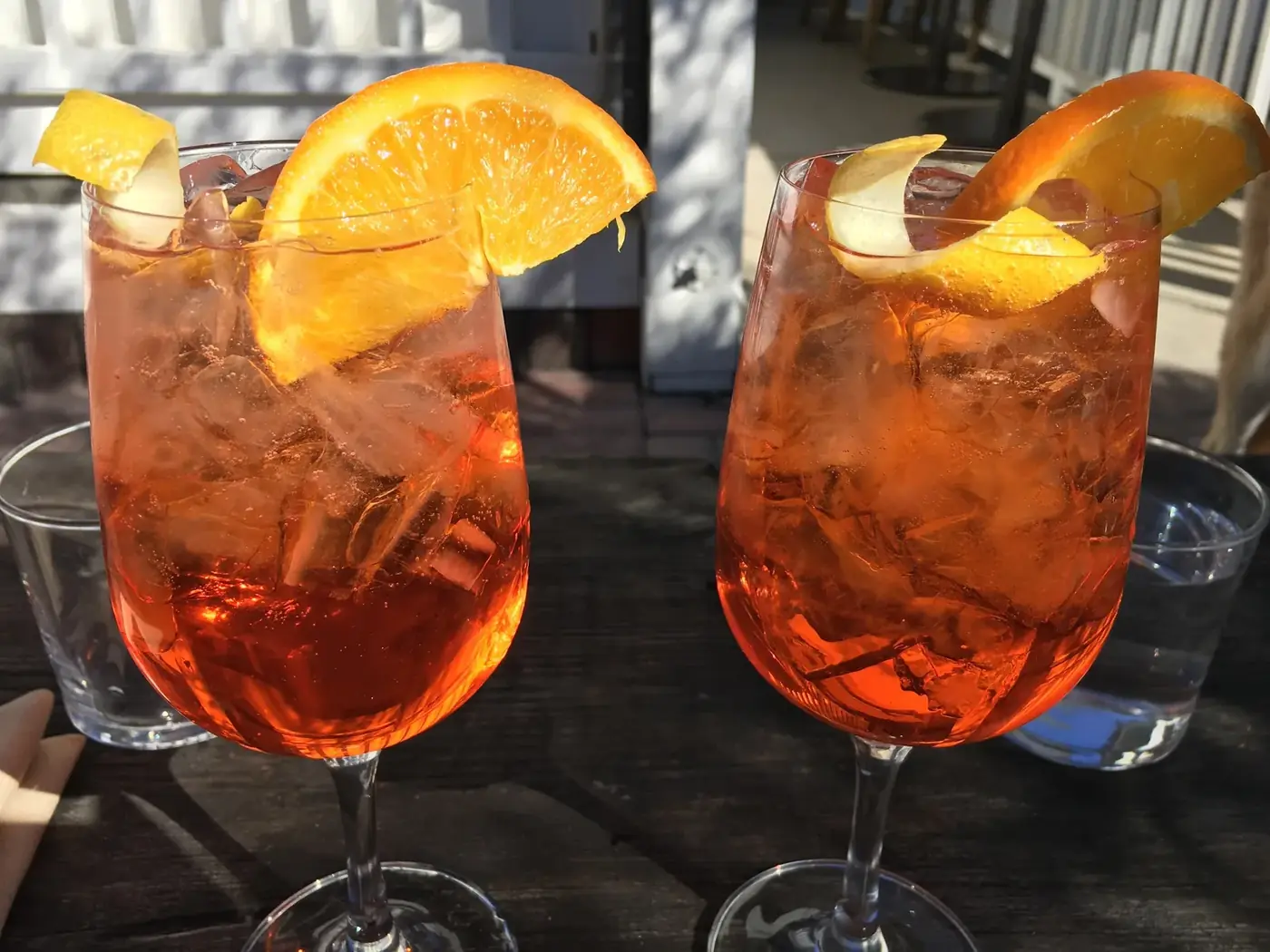
| Al peperoncino (chilli) | Warm rather than fiery, colour from dried chilli | Cold beer, a spritz |
| Al pepe nero (black pepper) | Sharp, savoury | Cheese and cured meats |
| Alla cipolla or alle olive | Onion or olive pieces in the dough | An aperitivo board |
| Scaldatelli | Boiled before baking, harder, glossy surface, more crunch | Dipping in wine, as older people do |
| Taralli dolci glassati | Sweet ring with a white sugar glaze, sometimes with wine or lemon | Coffee; made especially around Easter and for celebrations |
| Tarallini | Small, bite-size versions of the savoury ones | Snacking, children, the beach bag |
A note on scaldatelli: the name means "scalded", and refers to the quick bath in salted water before the oven. In practice most Apulian taralli are boiled first, and you will see the name used for harder, often larger versions, a tradition that is stronger in northern Puglia but sold everywhere. If you like a serious crunch, these are yours.
The sweet glazed taralli appear in bakery windows in spring, before Easter, and at weddings and village feasts. The dough is richer, often with egg, and the glaze sets into a thin, white, crackly shell. They are not an aperitivo snack: have them with a coffee in the morning.
Where to buy the best taralli in Brindisi city
In Brindisi itself, the rule is simple: buy them where bread is baked. A bakery (panificio or forno) sells them loose by weight, in a paper bag, usually with two or three flavours on the counter. Ask for "un mezzo chilo di taralli al finocchio" and they will scoop half a kilo for you.
One bakery in town that appears on local lists for its tarallini is Il Forno Walter Cucinelli on Viale Porta Pia, a few minutes on foot from the old town. Like most neighbourhood bakeries, it does bread, focaccia and rosticceria too, so it is also a good stop for a quick lunch. Check opening times before going, especially on Sunday afternoons, when many bakeries close.
The covered market in Piazza Mercato, in the heart of the old town, is the place for fruit, vegetables and fish rather than taralli, but walking through it in the morning is the best way to understand what Brindisi eats. Around it you will find small grocery shops (alimentari) that sell bakery taralli, local olive oil and dried figs, all good souvenirs.
Supermarkets have packaged taralli from big brands. They are fine for a train journey, but they are not what this guide is about. If you only have a few hours in town, our Brindisi stopover guide shows how to fit a bakery stop into a short walk.
The bakeries in the province worth a detour
The real pleasure is driving out to the villages, where many bakeries still use wood-fired ovens and families have made taralli the same way for decades. These are names that come up again and again in reviews and food guides. They are working bakeries, not attractions, so go in the morning, expect a queue on Saturdays and check opening times before you drive.
- Il Forno di Erasmo, Mesagne (about 15 to 20 minutes from Brindisi). A family bakery founded in 1985 and now run by the second generation, it has been listed in Gambero Rosso's guide to Italy's best bakeries. Reviewers single out its friselle and tarallini. Mesagne also has one of the prettiest old towns in the province, so it makes a half day. See our guide to the villages of the province of Brindisi.
- Panificio forno a legna da Mimina, Carovigno (about 25 minutes). A wood-oven bakery with a wide choice of taralli and friselle, often mentioned by visitors as the best taralli they have had. Carovigno is also the gateway to the Torre Guaceto reserve, so you can pair it with a morning at the sea.
- Panificio Cisternino, Cisternino (about 45 to 50 minutes). A family bakery dating back to 1953 in Via Cappuccini, with a long list of taralli: fennel, wholemeal, chilli, onion, pepper, egg, and seeded versions. Cisternino is a white hill town in the Valle d'Itria and an easy day trip from Brindisi.
- Panificio Quaranta, Pezze di Greco (about 45 minutes, near Fasano). A village bakery that reviewers praise for its "grandma's taralli" and rustici. Good on the way to the coast at Savelletri or the ancient site of Egnazia.
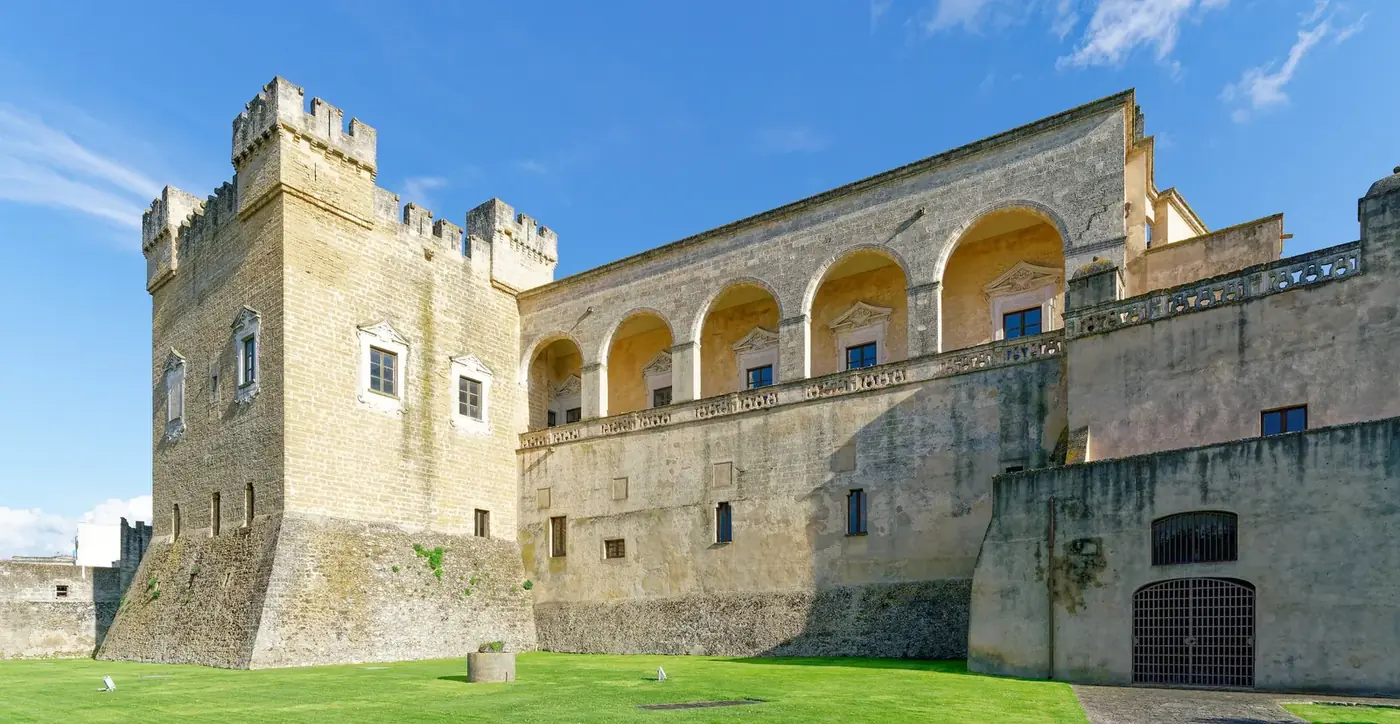
All of these are within an hour of Brindisi, most within 25 minutes: a different village bakery every morning, and still at the beach by noon. Our guide to Brindisi as a base for Puglia explains the geography.
How do you tell good taralli from bad ones?
A tarallo looks simple, so the difference is in the details. Here is what Puglians check, often without thinking.
- Read the label or ask. The best list four or five things: flour, extra virgin olive oil (olio extravergine di oliva), white wine, salt, and the flavouring. If you see sunflower oil, palm oil or "vegetable fats", they are cheaper industrial taralli.
- Look at the colour. A good tarallo is golden, not pale and not brown. Boiled ones have a slight shine.
- Break one. It should snap cleanly and then crumble pleasantly in the mouth. Rock-hard is a sign of a scaldatello (fine, if you want that) or of an old batch.
- Check the bag. A greasy paper bag means too much oil or poor oil. Good taralli leave only a faint mark.
- Smell them. Olive oil, wheat, maybe fennel. If you smell anything stale or rancid, leave them.
Ask the person behind the counter "Sono di oggi?" ("Are they from today?"). In a good bakery the answer is often yes, or yesterday, and they will tell you which batch is freshest.
How many to buy, and how to carry them home
Taralli are one of the easiest Puglian souvenirs to travel with. They are light, they are a solid food, so they are allowed in hand luggage, and they keep for a few weeks if sealed. The only enemy is crushing.
| Situation | What to do |
|---|---|
| Flying from Brindisi with hand luggage only | Taralli are fine in the cabin. Pack them in a rigid box or a tin on top of your clothes. |
| Checked suitcase | Wrap the paper bags inside a plastic food bag, then put them in the middle of the case, padded by soft clothes. |
| Travelling for a week before flying home | Buy them on the last or second-last day. Keep the bag closed with a clip, away from the sun. |
| Flying outside the EU | Baked goods are usually allowed, but rules change by country. Check your destination's customs page. |
| Want them shipped | Some bakeries sell online or ship; ask in the shop, or choose sealed packs from a producer. |
As a rule of thumb, half a kilo makes a generous gift for one family. A kilo of mixed flavours fits in the side of a cabin bag and usually disappears in a week at home. If you are also bringing olive oil, read our olive oil guide first: unlike taralli, oil is a liquid and needs a different plan.
When and how do locals eat taralli?
Taralli are not a dinner food. They belong to the in-between moments: the aperitivo, the beach, the wait before Sunday lunch. The classic pairing is wine: older men in the villages still dip a scaldatello in a glass of red. If you want to go further, our guide to wineries and wine tasting near Brindisi lists cellars where tastings come with a plate of taralli. And for the rest of the local table, from friselle to the tiella of rice, potatoes and mussels, see what to eat in Brindisi.
A taralli morning from BDS House
When we have guests who love food, this is the morning we suggest. Leave the old town around 9:00, drive 15 to 20 minutes to Mesagne, buy taralli and friselle, and walk the old centre while it is still quiet. Continue to Carovigno for a second bakery and a different style, then go down to the sea at Torre Guaceto for a swim. Back in Brindisi by mid-afternoon, you have lunch for tomorrow and a bag for home.
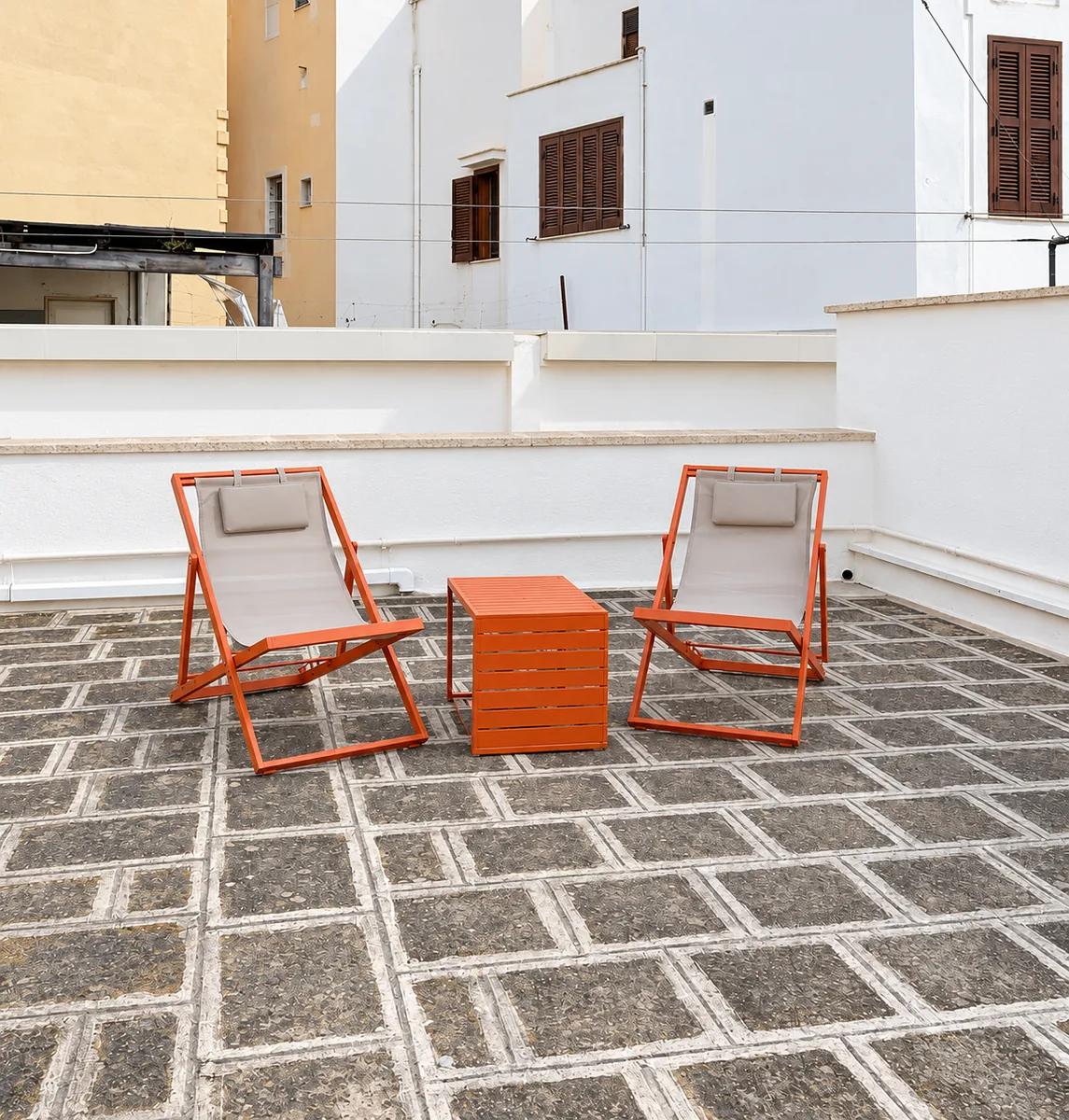
BDS House is a whole home in the old town of Brindisi with a full kitchen, two private terraces and room for six, about 10 minutes from the airport. An evening on the rooftop with a bottle of local rosé and a bowl of fennel taralli is, for us, the best aperitivo in town. If you are planning dates, you can check availability and book direct.
Questions travellers ask
Where can I buy good taralli in Brindisi?
Buy them from a bakery, where they are sold loose by weight in paper bags. In town, Il Forno Walter Cucinelli on Viale Porta Pia is mentioned for its tarallini. Small grocery shops around the old town market also stock bakery taralli. Supermarket packs are fine for snacking but are usually made with cheaper oils.
What is the best tarallo flavour to try first?
Start with fennel seed (al finocchio), the most traditional flavour in this part of Puglia, then compare it with a plain olive oil tarallo and a chilli one. The plain version is the best test of a bakery, because there is nothing to hide the quality of the flour, oil and wine.
What are scaldatelli?
Scaldatelli are taralli that are briefly boiled in salted water before baking, which gives them a glossy surface and a harder, more crunchy bite. The name means scalded. Most Apulian taralli use a boiling step, but the name usually indicates the harder style, a tradition associated mostly with northern Puglia and sold across the region.
Can I take taralli in hand luggage on a plane?
Yes. Taralli are a solid baked food, so they are not affected by liquid limits and can go in your cabin bag. Pack them in a rigid box or tin so they do not break. For flights outside the EU, baked goods are usually allowed, but check your destination's customs rules.
How long do taralli last?
Fresh bakery taralli keep for a few weeks if the bag stays closed and dry, away from heat and sunlight. They do not go bad quickly, but they slowly lose their crunch and the oil can taste stale. Industrial sealed packs last longer, usually several months, with a date printed on the pack.
Which towns near Brindisi have the best bakeries for taralli?
Mesagne, Carovigno, San Vito dei Normanni, Cisternino and the Fasano area all have bakeries locals rate. Il Forno di Erasmo in Mesagne has been listed by Gambero Rosso, and Panificio da Mimina in Carovigno uses a wood oven. All are within about 15 to 50 minutes of Brindisi by car.
Are sweet taralli the same as savoury ones?
No. Sweet glazed taralli use a richer dough, often with egg and sugar, and are covered in a white sugar glaze that sets hard. They are made especially around Easter and for celebrations, and eaten with coffee. Savoury taralli are made with olive oil, wine and salt and belong to the aperitivo.
How do I know if taralli are made with good olive oil?
Read the label or ask: good taralli list extra virgin olive oil and nothing like sunflower oil, palm oil or vegetable fats. They should be golden, snap cleanly, smell of oil and wheat, and leave only a light mark on the paper bag. A greasy bag or a stale smell are bad signs.
Sources and further reading
- Taralli on Wikipedia
- Il Forno di Erasmo in the Gambero Rosso guide
- Panificio Cisternino, products
- Visit Puglia, official tourism site
Times and prices are approximate and change by season. Last checked on 3 October 2026.