Food
What to eat in Brindisi: a local's food guide
Quick answer
In Brindisi, start with seafood: octopus cooked in a clay pot, baked mussels (cozze arracanate) and the tiella of rice, potatoes and mussels. Add orecchiette with turnip tops or tomato and cacioricotta, fava bean purée with chicory, and street food like pittule and frisa. Finish with a pasticciotto and drink Negroamaro, Susumaniello or a Brindisi DOC rosé.
| Signature dish | Tiella (taiedda): rice, potatoes and mussels baked together |
|---|---|
| Seafood | Octopus in a clay pot, baked mussels, grilled fish |
| Pasta | Orecchiette; ciceri e tria with chickpeas |
| Street food | Pittule, frisa, rustico, puccia |
| Sweets | Pasticciotto, sporcamuss, mustazzoli at Christmas |
| Wine | Negroamaro, Susumaniello, Brindisi DOC |
| Not on the menu | Sea urchins: fishing banned in Puglia until 2029 |
What is Brindisi known for, food-wise?
My grandmother did her shopping by ear. She walked towards the harbour in the morning and listened: if the fishermen were loud, it had been a good night, and lunch would be mussels. Brindisi still eats like that. It is a port in the flattest, most farmed part of Puglia, so the cooking sits between two worlds: the boats on one side, wheat, olives, vegetables and vines on the other.
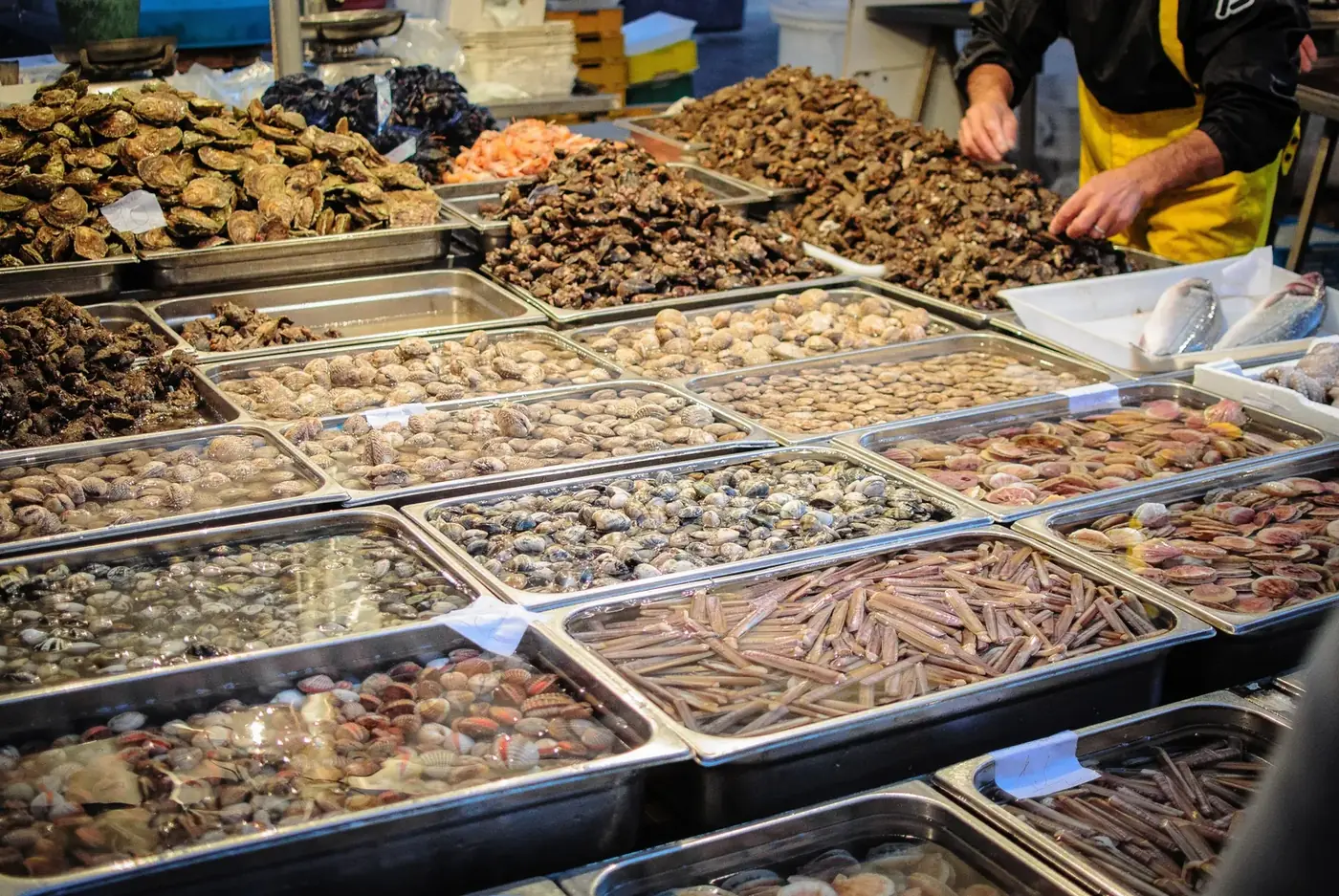
The result is not refined restaurant food. It is cucina povera, peasant and fisherman cooking, made with few ingredients and a lot of olive oil. A plate of orecchiette with tomato and a spoon of hard ricotta, fava bean purée with bitter greens, a whole octopus stewed in its own water. You eat well here without trying hard, as long as you know what to look for.
This guide is that list. We do not name restaurants, because they change and we would rather tell you in person: ask us when you arrive and we will give you the current shortlist.
Brindisi dishes at a glance
| Dish | What it is | When to eat it |
|---|---|---|
| Tiella (taiedda) | Rice, potatoes and raw mussels baked in layers with tomato and pecorino | Lunch, all year |
| Polpo alla pignata | Octopus slow-cooked in a clay pot | Dinner, all year |
| Cozze arracanate | Mussels baked with breadcrumbs, garlic and parsley | Antipasto |
| Orecchiette con cime di rapa | Ear-shaped pasta with turnip tops, garlic, chilli, anchovy | Autumn and winter |
| Fave e cicoria | Dried fava bean purée with wild chicory | All year, best in winter |
| Ciceri e tria | Pasta with chickpeas, part of it fried until crisp | Lunch |
| Pittule | Fried dough balls, plain or with olives, capers or anchovy | Street food, late autumn and Christmas |
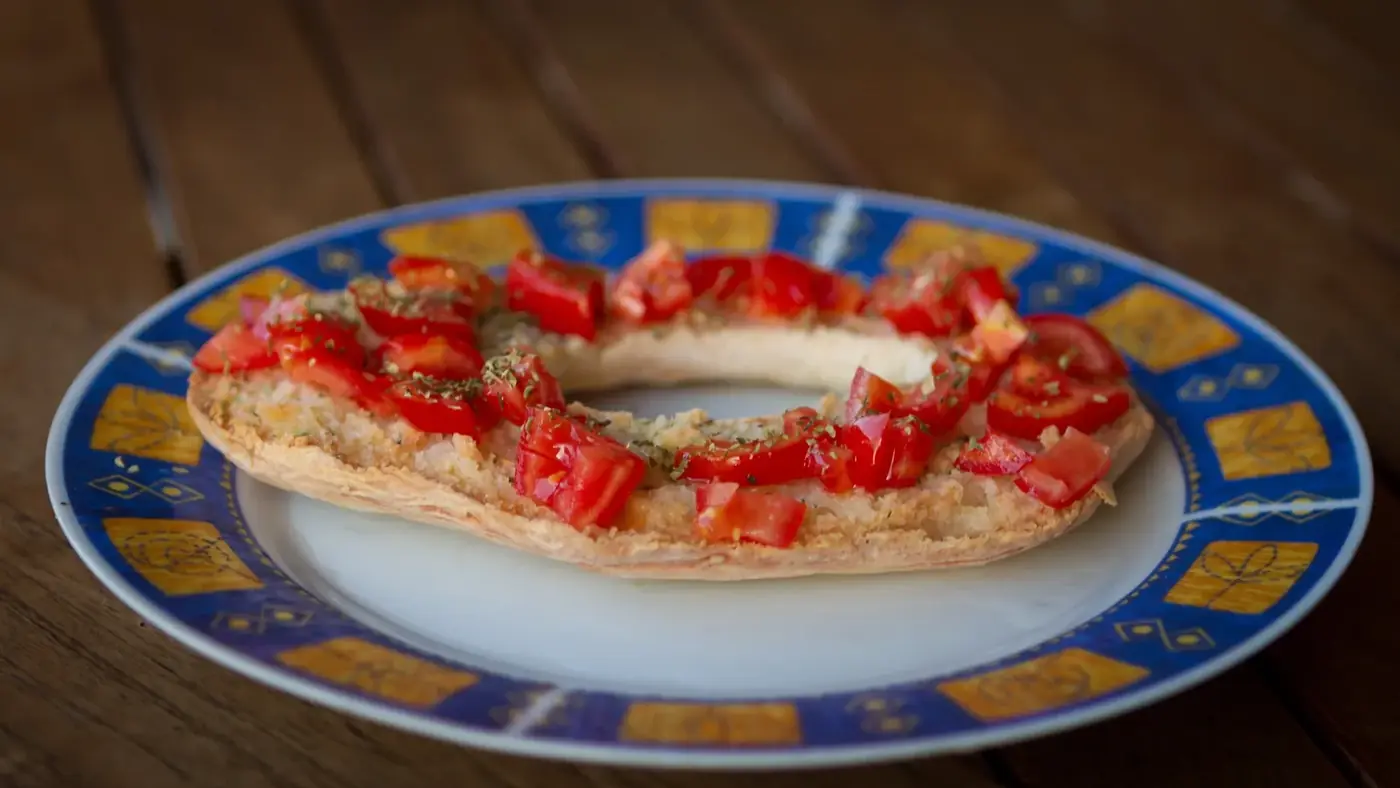
| Frisa | Twice-baked bread softened in water, topped with tomato and oil | Summer lunch |
Seafood from the harbour
Start with the antipasti di mare. In a good seafood place this is not one plate but a slow parade: marinated anchovies, octopus salad, baked mussels, small fried fish, perhaps a seafood soup. Often it is enough for a full meal, so order pasta only after you see how much arrives.
Polpo alla pignata is the octopus dish of the coast: cooked slowly in a clay pot (the pignata) with tomato, onion and a little wine, until it is soft enough to cut with a spoon. Cozze arracanate are mussels on the half shell, baked with breadcrumbs, garlic, parsley and pecorino. You will also see stuffed cuttlefish and squid, and grilled fish sold by weight: ask the price per kilo before you choose.
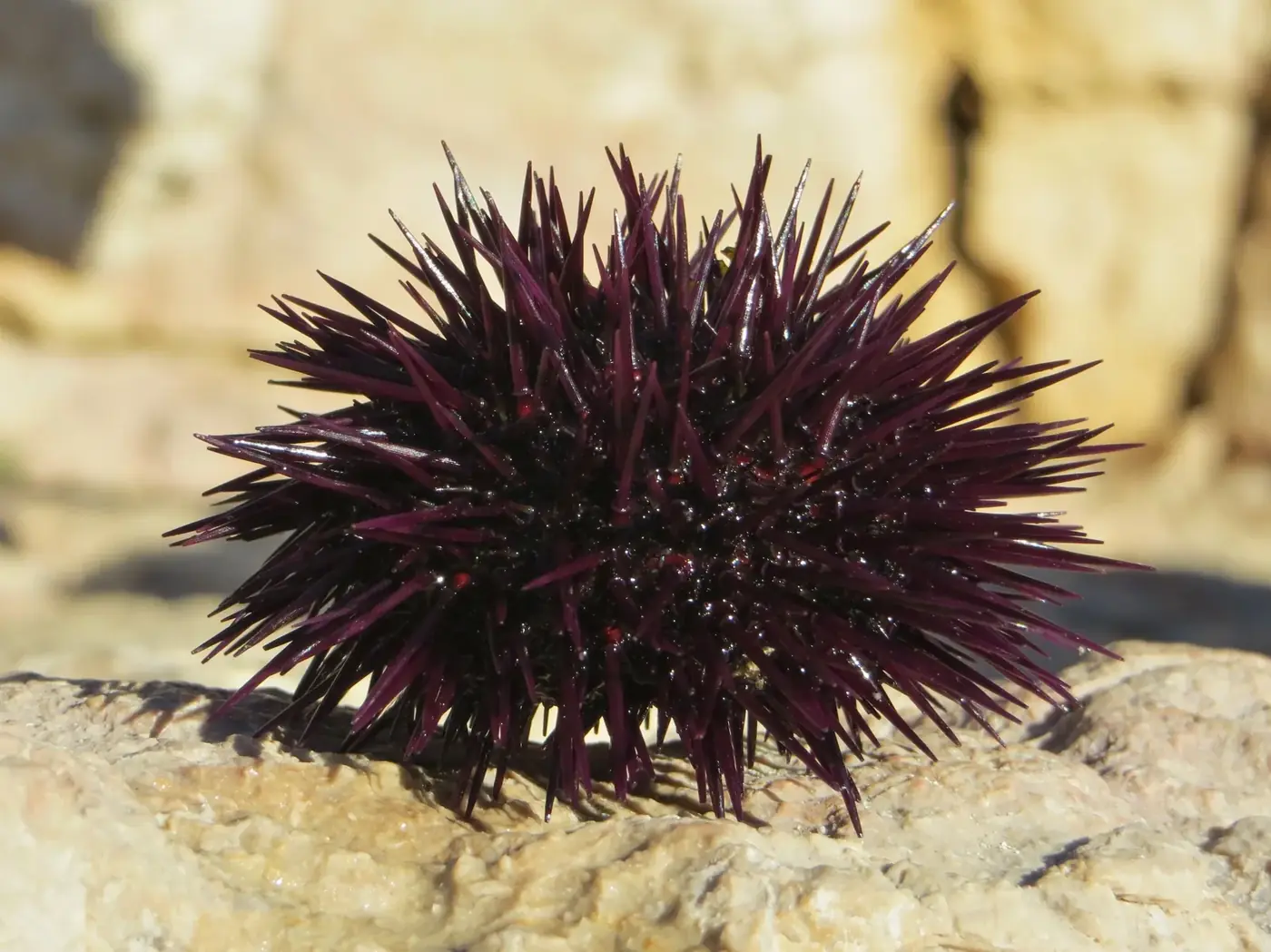
One thing you will not find, or should not: sea urchins. They used to be the symbol of a winter evening by the sea, but the regional government has banned their harvesting to let the population recover, and the ban has been extended to 2029. If someone offers them, it is better to say no.
Tiella: the dish that tastes of Brindisi
If you eat one dish that feels local, make it the tiella, or taiedda in dialect. Rice, sliced potatoes, onion, tomato and mussels opened raw and left in their half shell are layered in a wide pan, covered with water and grated pecorino, and baked. The mussels release their sea water into the rice as it cooks. Every family argues about the order of the layers, and some older Brindisi versions leave out the rice altogether. It is the kind of dish trattorias make at lunch and often run out of by 14:00, so do not leave it too late.
Pasta and the cucina povera
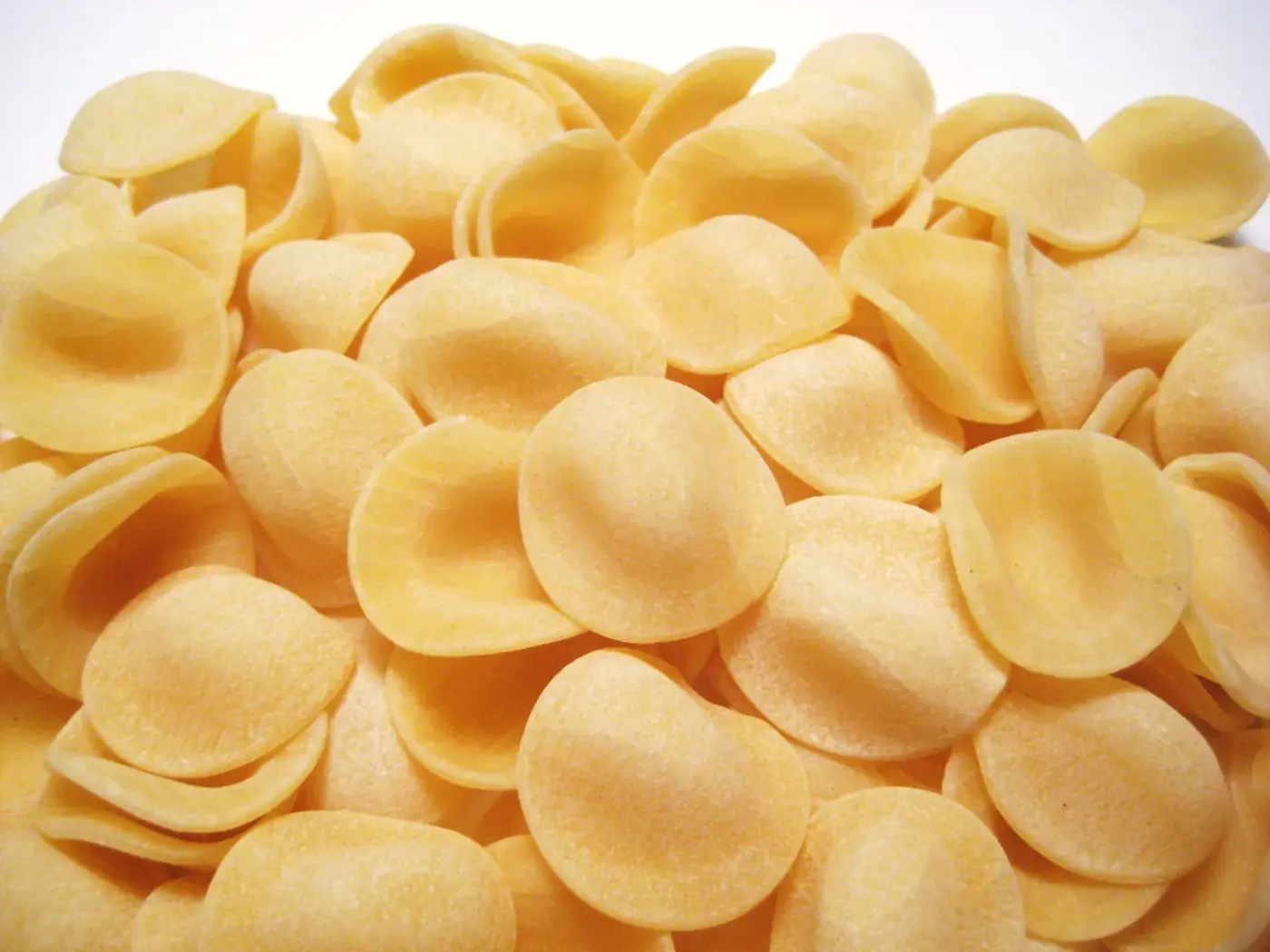
Orecchiette, small ear-shaped pasta made from durum wheat and water, are everywhere. With cime di rapa (turnip tops), garlic, chilli and a little anchovy they are the winter classic. In summer, look for them with fresh tomato sauce and grated cacioricotta, a salty aged ricotta. Around Brindisi they are also served with meat rolls, brasciole, cooked slowly in tomato sauce on Sundays.
Fave e cicoria, a purée of dried fava beans with boiled wild chicory and raw olive oil on top, is the dish that sums up peasant cooking in this part of Puglia. Ciceri e tria, pasta and chickpeas with part of the pasta fried until crisp, is the Salento version of comfort food. Both are cheap, filling and very good with a glass of red.
Street food and the bakery
Pittule (also called pettole) are soft balls of yeasted dough fried in oil, sometimes with an olive, a caper or a piece of anchovy hidden inside. They appear in the cold months and around Christmas, sold hot in paper cones.
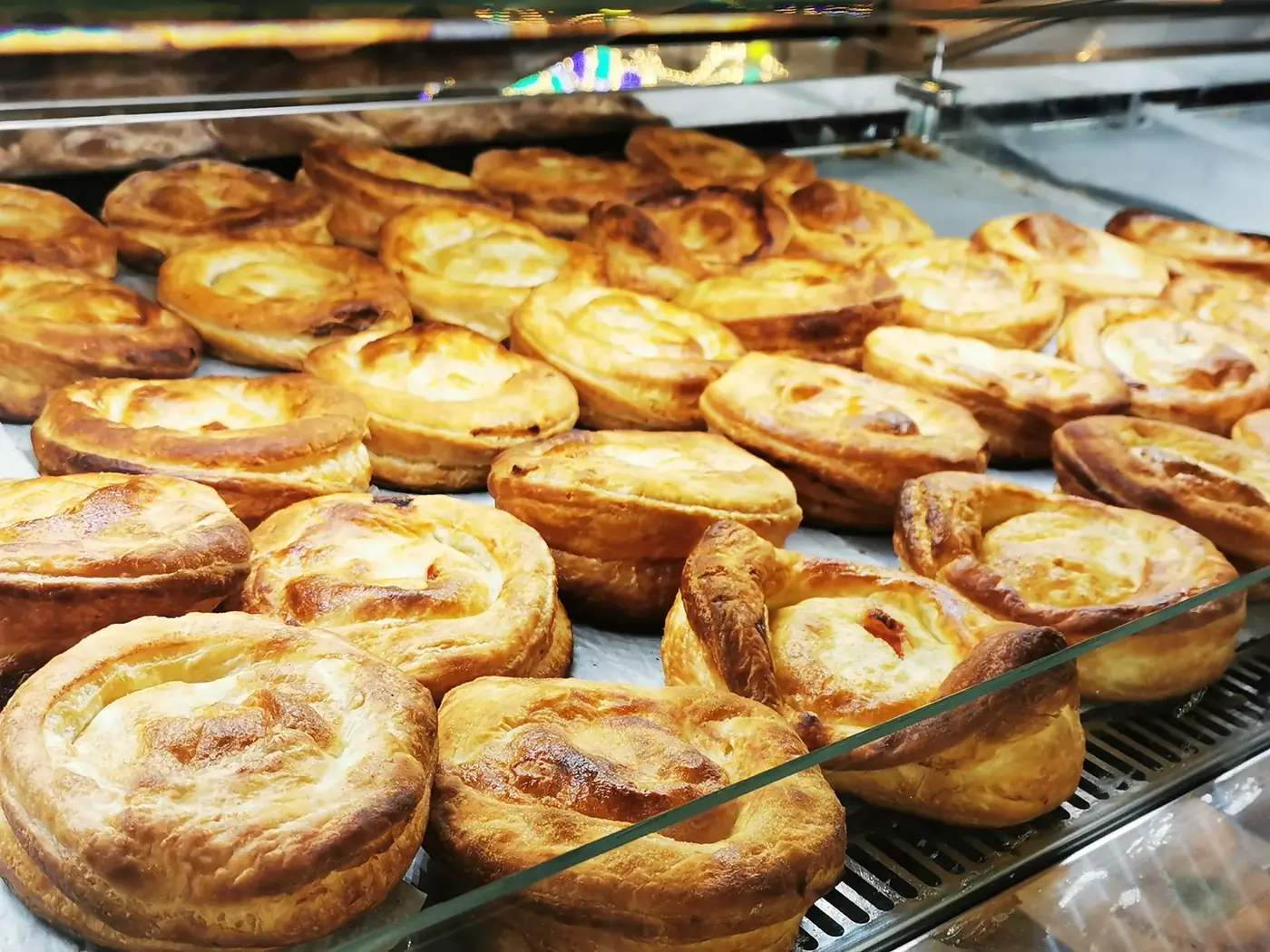
The frisa is a ring of twice-baked bread. You dip it quickly in water, then cover it with chopped tomato, salt, oregano and plenty of olive oil. It is the summer lunch of the beach and the terrace. From nearby Lecce come the rustico, a disc of puff pastry filled with béchamel, mozzarella and tomato, and the puccia, a soft round bread stuffed like a sandwich. Add taralli, small crunchy rings flavoured with fennel or chilli, and you have the aperitivo sorted.
Sweets and coffee
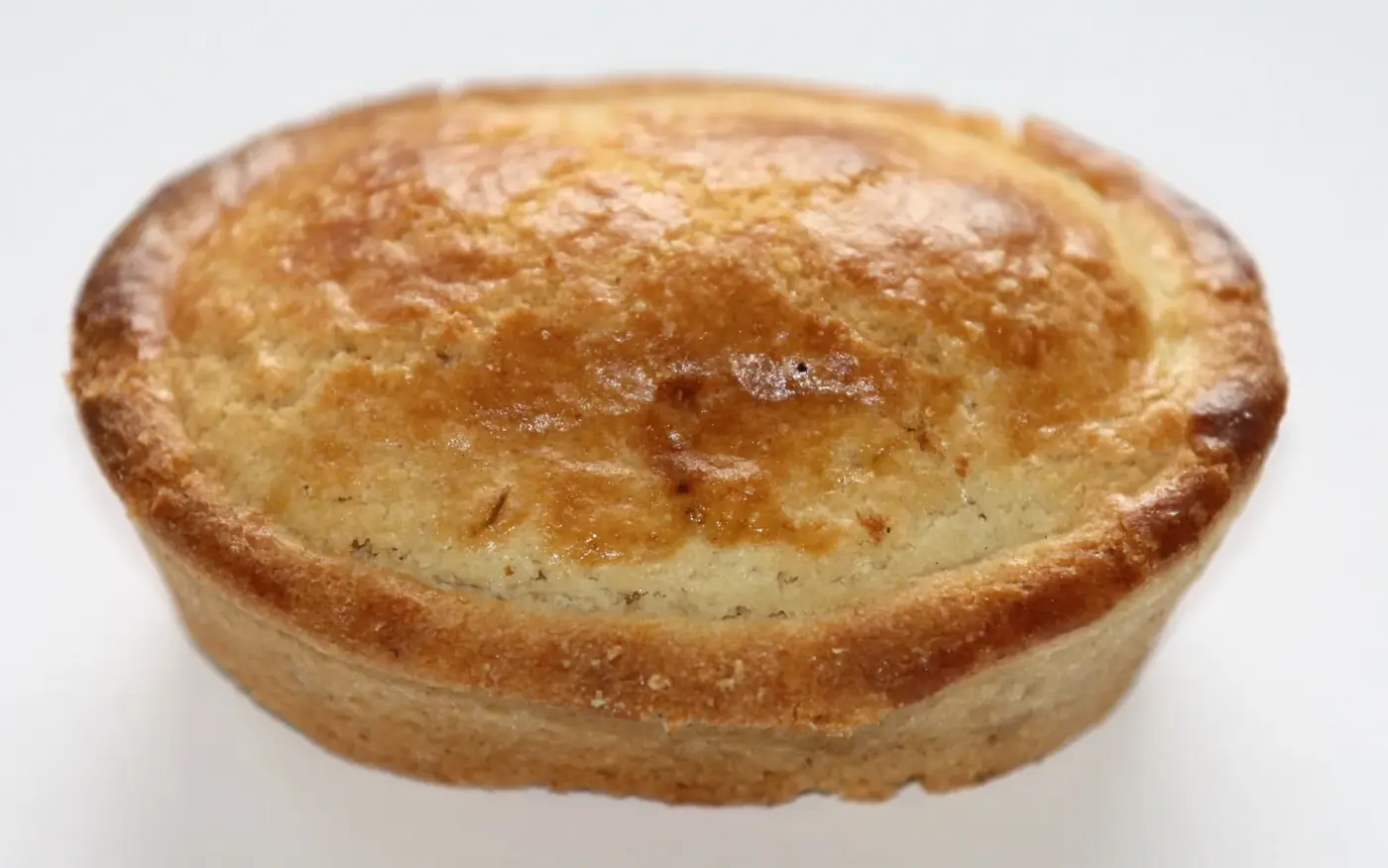
Breakfast in Salento means a pasticciotto, shortcrust pastry filled with custard, eaten warm if you are lucky. It comes from Lecce and every bar in Brindisi has it. The sporcamuss, puff pastry with custard dusted in icing sugar, is found across Puglia (Bari claims it too); the name means something like "dirty face", which is what happens when you eat it.
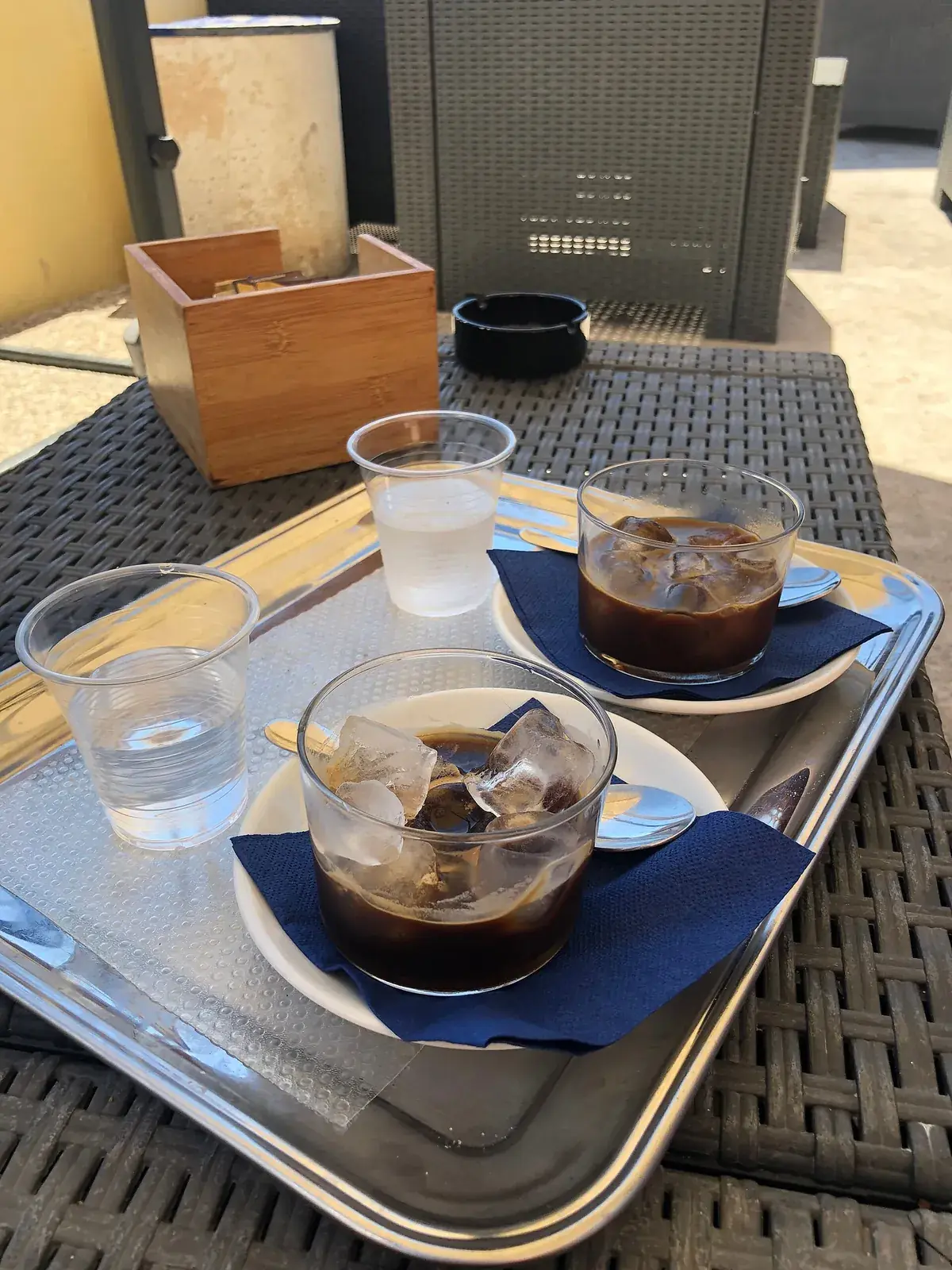
At Christmas look for mustazzoli, spiced biscuits with almonds and cocoa covered in a dark glaze. In summer the drink is caffè in ghiaccio: an espresso poured over ice, often with a splash of almond milk, as they make it in Lecce. Order one at 16:00 and you understand siesta culture immediately.
Which wine to drink in Brindisi
The plain around Brindisi is red wine country, flat, hot and windy. Negroamaro is the main grape: dark, a little bitter at the finish, good with tomato sauces and grilled meat. It is also the base of the area's excellent rosés, which are what most locals drink with fish in summer.
Look out for Susumaniello, an old local grape that almost disappeared and is now back, as a red and in rosés. The Brindisi DOC appellation covers reds and rosés made mostly from Negroamaro, sometimes with Susumaniello. Nearby you find Salice Salentino and, towards Taranto, Primitivo di Manduria. A good bottle in a wine shop is not expensive, and it tastes better on a terrace than in any bar.
| Wine | Style | Pair with |
|---|---|---|
| Negroamaro rosé | Dry, fresh, pale coral | Antipasti di mare, frisa, fried fish |
| Brindisi DOC red | Medium to full, earthy | Brasciole, orecchiette with ragù |
| Susumaniello | Fruity, soft tannins | Octopus, tiella |
| Primitivo di Manduria | Full, ripe, warm | Grilled meat, aged cheese |
A day of eating in Brindisi, and cooking it yourself
- Breakfast: pasticciotto and caffè in ghiaccio at the counter, standing, as locals do.
- Lunch: a frisa at the beach, or a tiella in a trattoria before 14:00.
- Aperitivo: a glass of Negroamaro rosé with taralli and olives as the harbour lights come on.
- Dinner: antipasti di mare, then grilled fish or octopus. Italians eat late here, from about 20:30 in summer.
- After: a gelato on the waterfront and a slow walk back through the old town.
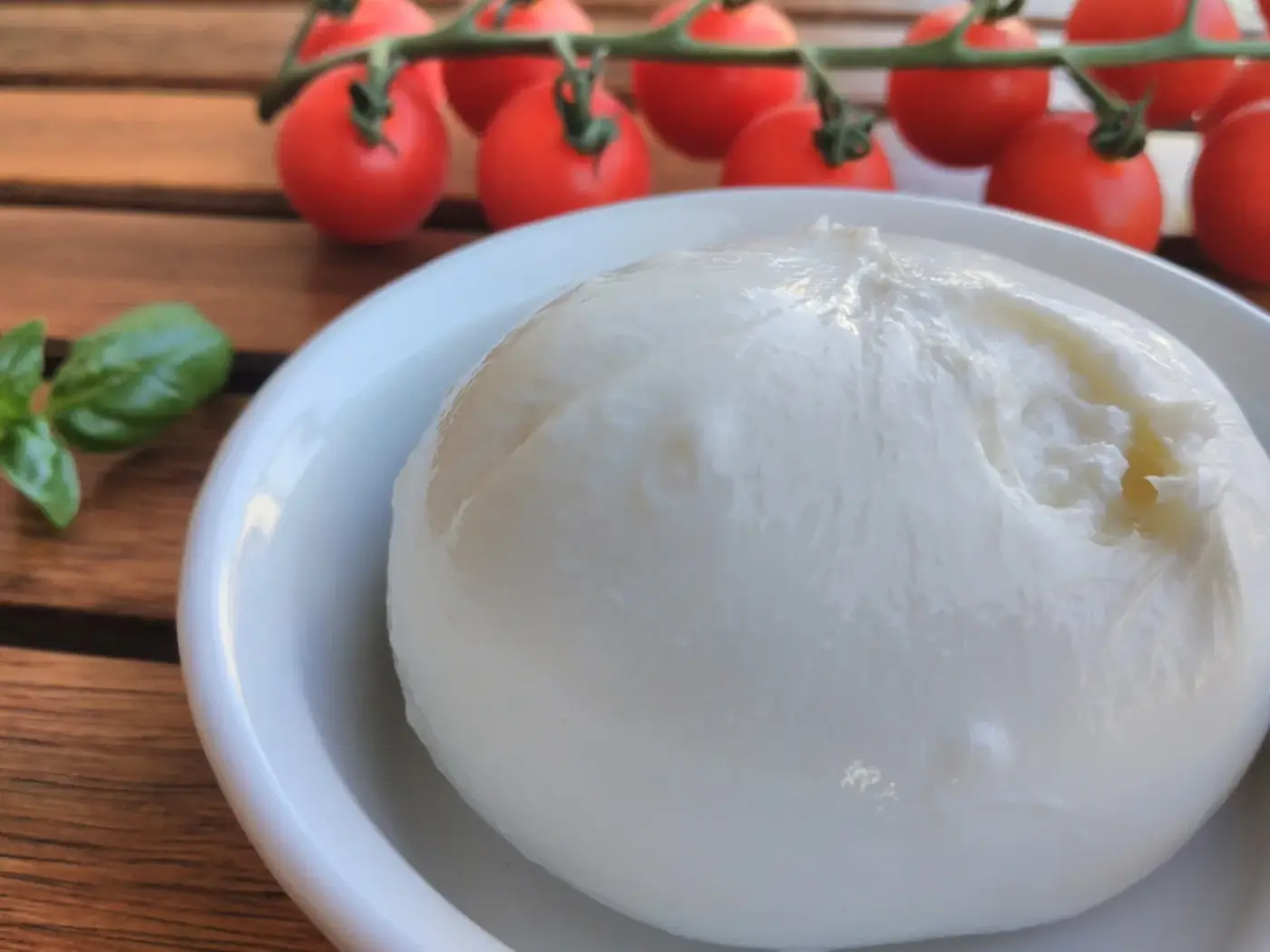
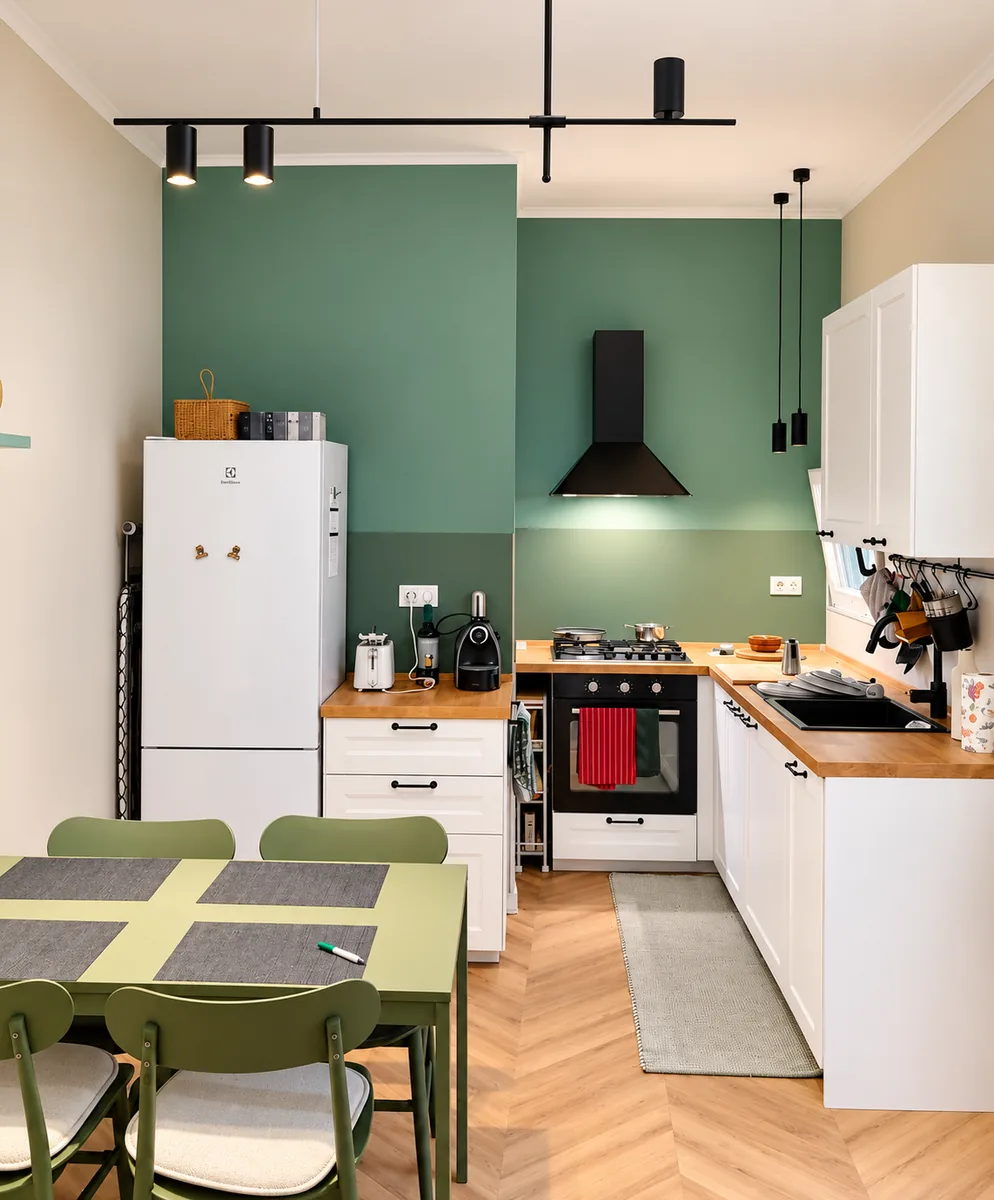
If you stay in an apartment, the markets are half the fun. Buy tomatoes, burrata from the Bari area, fresh orecchiette, olives and whatever fish looks bright-eyed that morning. BDS House has a full kitchen and a terrace table for six, and a long dinner on the rooftop is the best restaurant in town on a warm night. You can see availability here.
For more of what to do between meals, see things to do in Brindisi, and if you are only here for a night or two, our Brindisi stopover guide fits the essential dishes into one evening.
Questions travellers ask
What food is Brindisi famous for?
Seafood from its harbour and the cucina povera of the Salento plain: the tiella of rice, potatoes and mussels, octopus cooked in a clay pot, baked mussels, orecchiette, fava bean purée with chicory, pittule and frisa, with Negroamaro wine.
What is the typical dish of Brindisi?
The tiella, or taiedda: rice, sliced potatoes, onion, tomato and raw mussels in their half shell, layered in a pan with pecorino and baked. The mussels flavour the rice as it cooks. Trattorias usually make it at lunchtime.
What is a frisa?
A ring of twice-baked bread from Puglia. You dip it briefly in water to soften it, then top it with chopped tomatoes, salt, oregano and olive oil. It is the classic summer lunch at the beach or on a terrace.
What are pittule?
Small balls of yeasted dough fried in olive or seed oil, also called pettole. They can be plain or hide an olive, a caper or a piece of anchovy. In Brindisi and Salento they are typical of late autumn and the Christmas season.
Can you eat sea urchins in Brindisi?
Not legally at the moment. Puglia has banned the harvesting of sea urchins to protect the species, and in 2026 the ban was extended to 2029. Responsible restaurants have taken them off the menu.
Which wine should I try in Brindisi?
A Negroamaro, either as a Brindisi DOC red or as a dry Salento rosé, which is what locals drink with fish. Also try Susumaniello, an old local grape that has come back in recent years, as a red or a rosé.
What do people in Brindisi eat for breakfast?
Usually a pasticciotto, shortcrust pastry filled with custard, with an espresso or cappuccino, eaten standing at the bar. In summer many people switch to caffè in ghiaccio, espresso over ice, often with almond milk.
What time do people eat dinner in Brindisi?
Later than in northern Europe. Restaurants open for dinner from about 19:30 to 20:00, and in summer most locals sit down between 20:30 and 21:30. Lunch runs from about 13:00 to 14:30, and many places close in the afternoon.
Sources and further reading
- Visit Puglia, official tourism site
- Negroamaro on Wikipedia
- Susumaniello on Wikipedia
- Orecchiette on Wikipedia
Times and prices are approximate and change by season. Last checked on 3 October 2026.