Planning
The best time to visit Brindisi and Puglia
Quick answer
The best time to visit Brindisi is late May to June and September. Days are long, the sea is warm enough to swim (about 22 to 25 degrees) and beaches and day-trip towns are calmer than in July and August. October is mild and ideal for sightseeing. Winter is quiet and mild, about 13 to 14 degrees by day, good for a short city break or remote work.
| Best overall | Late May, June and September |
|---|---|
| Warmest sea | August, about 26 degrees |
| Hottest month | August, highs around 30 degrees |
| Busiest | Late July and August, peak around 15 August |
| Quietest | November to March |
| Big festival | Patron saints, late August to early September |
| Rainiest | November and December, still only 7 to 9 rainy days |
When is the best time to visit Brindisi?
In mid-September, the evening I like best, the old town smells of grape must from the countryside and the harbour is calm and flat. The day trippers have gone, the sea is still at summer temperature, and you can sit outside until late without a jacket. That is my short answer: September, with late May and June a close second.
The longer answer depends on why you are coming. Brindisi is rarely a two-week destination. It is the airport, the ferry port and the most convenient base between Salento and the Valle d'Itria, so most people stay two to four nights. The right month is the one that fits your trip: beaches, towns, food, or simply an easy night before an early flight.
Brindisi weather and sea temperature by month
Brindisi has a Mediterranean climate: hot, dry summers and mild, damp winters. It is also windy, which keeps summer nights more bearable than inland Puglia. Figures below are long-term averages and rounded; any single week can be warmer or cooler.
| Month | Day / night (°C) | Sea (°C) | Crowds |
|---|---|---|---|
| January | 13 / 7 | About 15 | Very low |
| February | 14 / 7 | About 14 | Very low |
| March | 16 / 9 | About 14 | Low |
| April | 19 / 11 | About 16 | Low, busier at Easter |
| May | 23 / 15 | About 18 to 19 | Moderate |
| June | 27 / 19 | About 22 to 23 | Moderate, rising |
| July | 30 / 22 | About 25 | High |
| August | 30 / 22 | About 26 | Very high |
| September | 26 / 19 | About 24 to 25 | Moderate |
| October | 22 / 15 | About 21 to 22 | Low |
| November | 18 / 12 | About 19 | Very low |
| December | 14 / 8 | About 16 | Low, busier at Christmas |
Rain falls mostly between October and February, but even in the wettest months it rains on only 7 to 9 days. July often has a single rainy day, or none.
Spring: April to June
Spring is the best season for walking and day trips. The countryside around Brindisi is green, the olive groves are full of wild flowers and the light is soft. In April and May you can explore Lecce, Ostuni or Alberobello without heat or queues, and sit outside for lunch in a T-shirt.
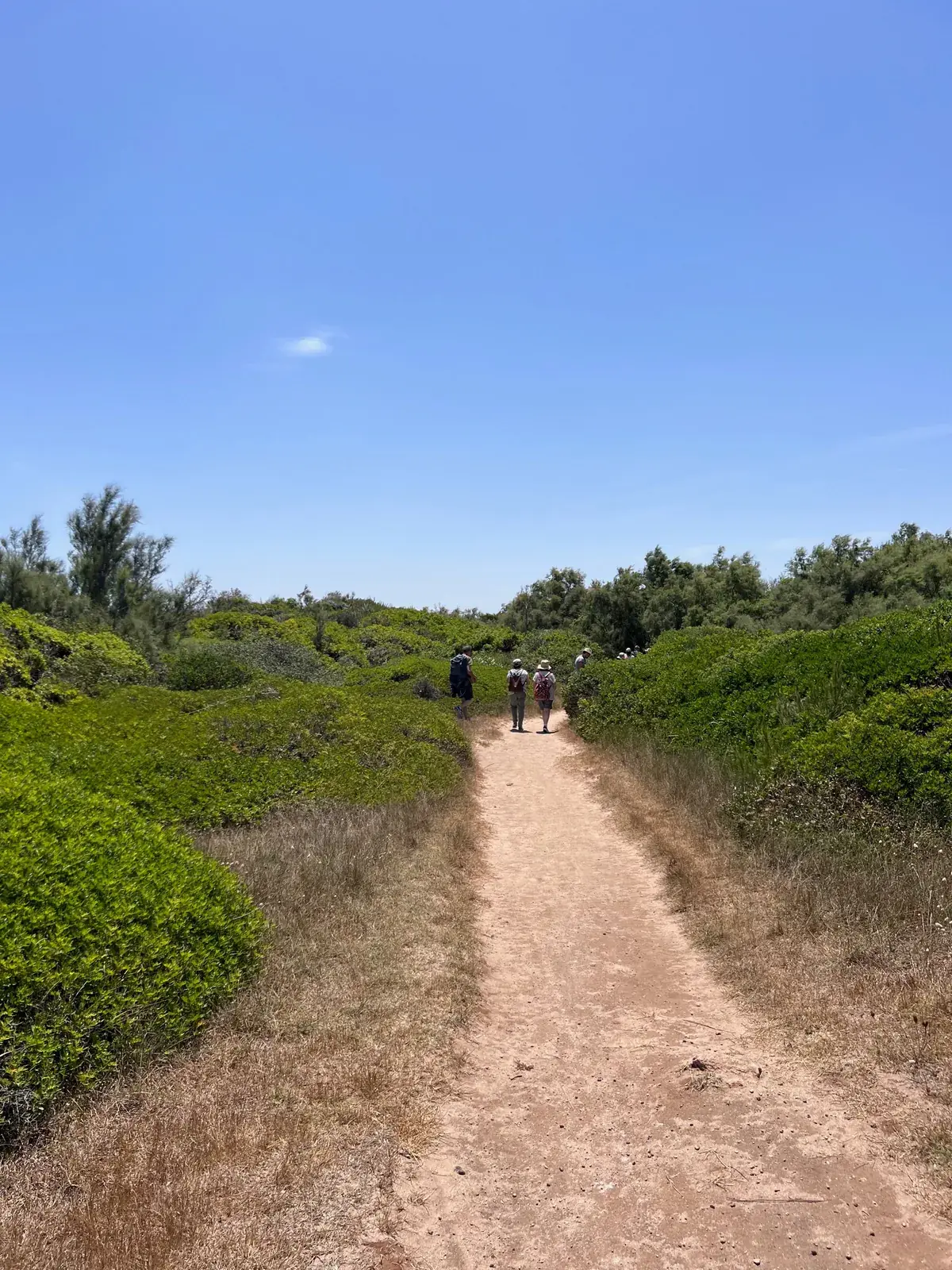
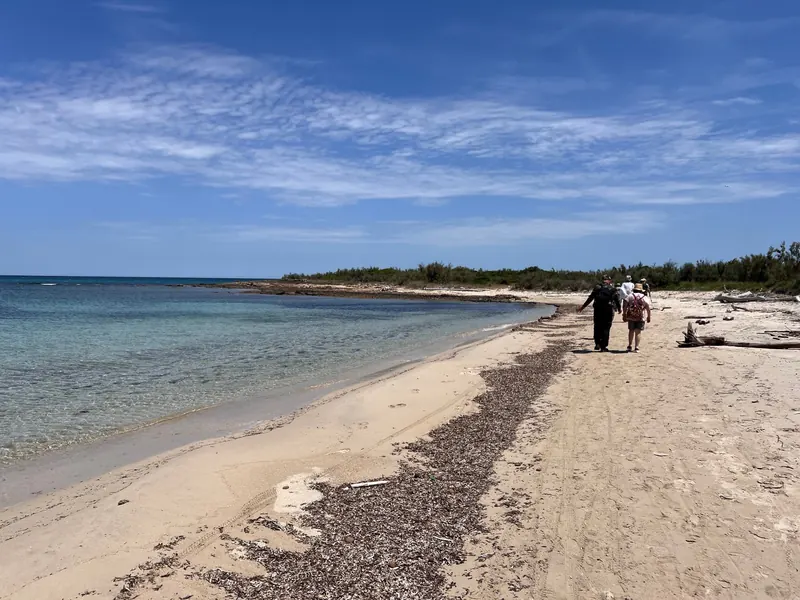
The sea warms slowly. In May it is still around 18 to 19 degrees, fine for a quick swim if you are from the north of Europe, chilly for locals. By mid-June most people are in the water and the beach clubs are open. Easter and the Italian bank holidays of 25 April, 1 May and 2 June bring Italian visitors, so book those weekends earlier.
June is the month I recommend to people who want both: towns in the morning, sea in the afternoon, dinner outside without needing a reservation everywhere.
Summer: July and August
Summer is hot, bright and loud in the good sense: towns fill with concerts, festivals and late dinners, and the beaches are alive from morning to sunset. The sea is at its warmest, around 25 to 26 degrees in August.
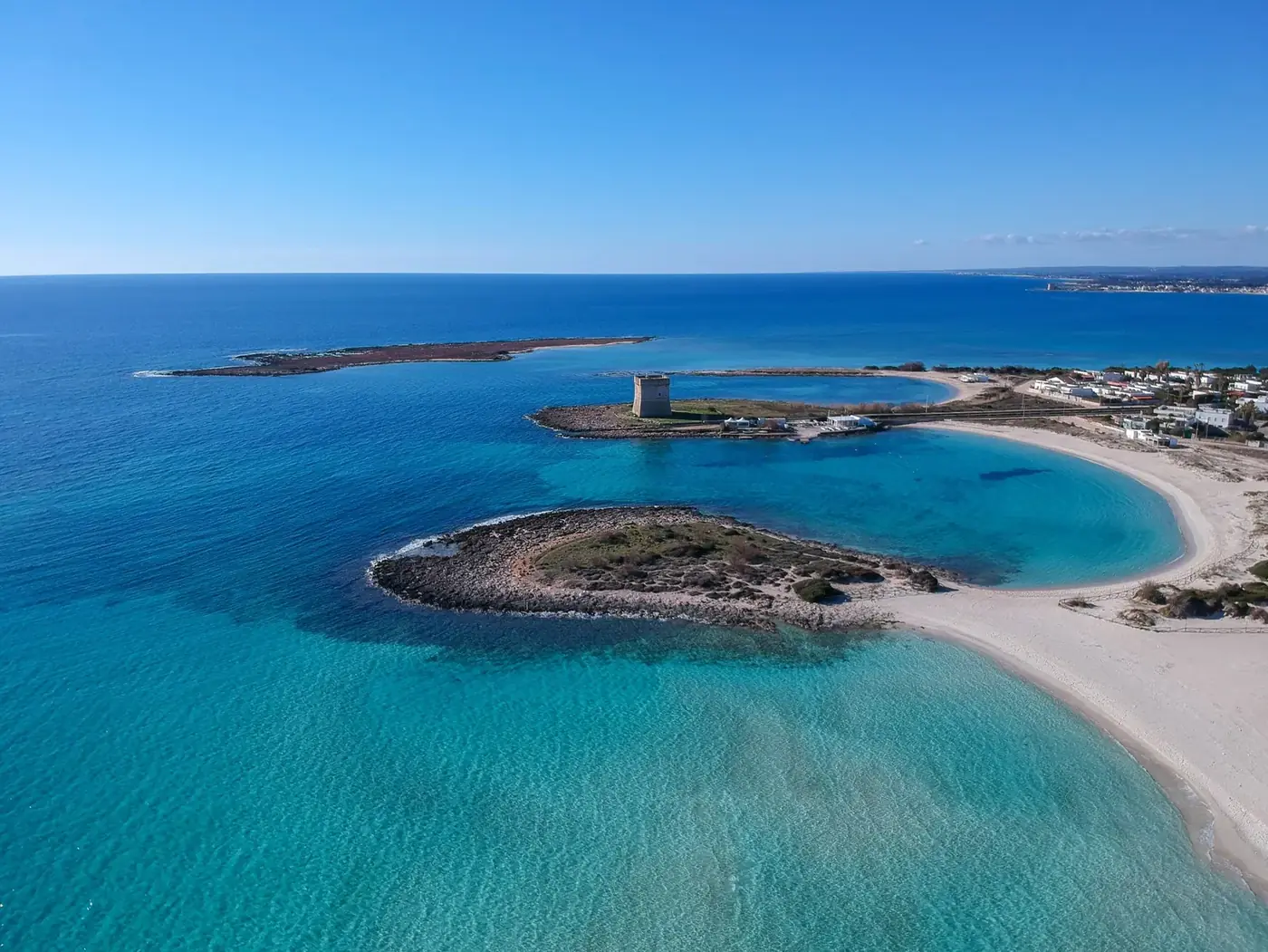
It is also the most crowded and most expensive time in Puglia. Italians take their holidays in August, especially the weeks around Ferragosto, 15 August. Lidos are booked ahead, car parks at the famous beaches fill by mid-morning and restaurants in Polignano or Ostuni need a reservation. Prices for flights, car hire and rooms are at their peak.
If summer is your only window, live like a local: beach from 8:00 to 11:00, lunch and a long siesta indoors with the air conditioning on, then out again after 18:00. Old stone houses like BDS House stay cooler than modern flats, and a rooftop terrace is where you want to be after sunset. See our beaches near Brindisi guide for the calmer spots.
Autumn: September and October
September is the month locals keep for themselves. The water stays warm, often 24 to 25 degrees, the beaches empty on weekdays after the Italian schools reopen, and the grape harvest starts in the vineyards around Brindisi. Evenings are still warm enough to eat outside.
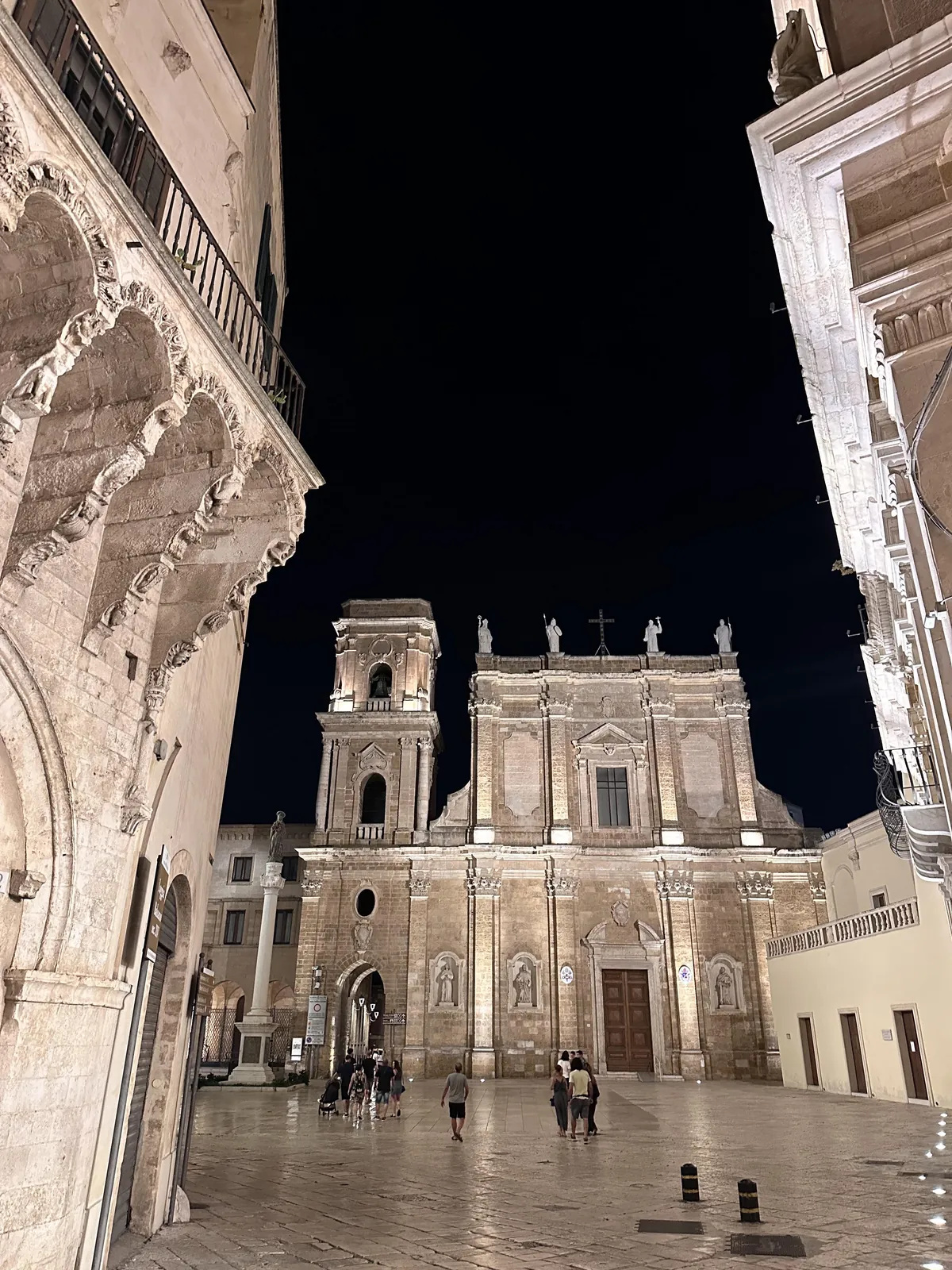
October is mild, often 20 to 22 degrees by day, and good for sightseeing, wine tasting and long walks. You can still swim on sunny days in the first half of the month. Some beach clubs close after September, and late in the month the first autumn rain arrives, but it rarely lasts long.
Winter: November to March
Winter in Brindisi is mild by northern European standards, with days around 13 to 16 degrees and rare frost. It is a quiet season: no beach life, fewer flights, some restaurants with shorter hours. But it is also the season of turnip tops, pittule, new olive oil and empty Baroque churches in Lecce.
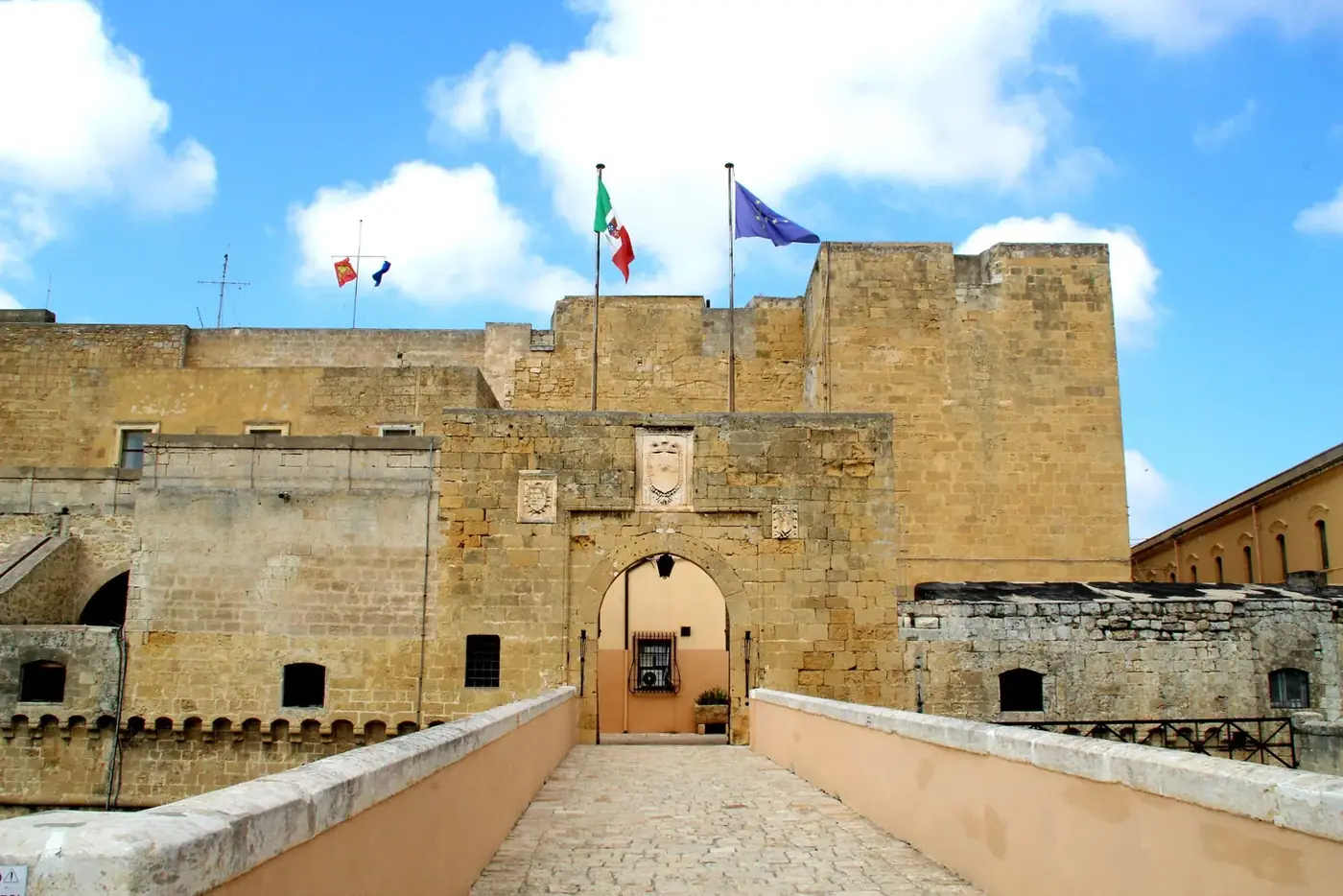
It suits two kinds of traveller. People who want a calm city break and day trips without crowds, including Matera, Lecce and the Valle d'Itria. And people who work remotely and want a month somewhere warm and slow. The main thing to know: Brindisi is windy in winter, and old houses have thick walls and cool floors, so pack a sweater for evenings indoors.
Festivals and events worth planning around
Two religious festivals give Brindisi its character.
- Cavallo Parato, on the feast of Corpus Domini (late May or June, depending on the date of Easter). For centuries the archbishop rode a white horse in decorated cloth carrying the Eucharist; the horse has not been used in recent years, so check how the procession is held before you plan around it.
- The feast of the patron saints Teodoro and Lorenzo, from the end of August into early September. The old town is lit with arches of lights, there are stalls and concerts, and the high point is the procession by sea, with the statues carried on boats across the harbour, usually on the first weekend of September, followed by fireworks.
Around Christmas the old town fills with lights and the pittule stalls appear. In summer, almost every town within an hour holds a sagra (a local food festival) or a concert in the main square; dates change each year, so check local listings once you arrive.
Flights, ferries and prices through the year
Brindisi Airport (BDS, Aeroporto del Salento) is about 10 minutes from the old town and is busiest from late spring to early autumn, when many seasonal routes from northern Europe operate. In winter there are fewer direct international flights, though connections via Rome and Milan run all year. Ferries to Greece are most frequent in summer and thin out in the cold months.
| Season | Flights and ferries | Accommodation | Good for |
|---|---|---|---|
| Late May to June | Most routes running | Mid-range | Beach plus towns |
| July and August | Busiest, book early | Highest | Sea, festivals, nightlife |
| September | Most routes running | Mid-range to high | Warm sea, fewer people |
| October | Routes start to reduce | Lower | Day trips, food, wine |
| November to March | Fewer direct flights, fewer ferries | Lowest | City breaks, remote work |
Whatever the season, Brindisi works best as a short base. Arriving on a late flight, the airport is close, and leaving on an early one you do not need to set an alarm for 3:00. If you need help with the arrival, read our airport to city centre guide.
Our recommendation by type of trip
- Beach holiday: mid-June to mid-September, with June and September for space.
- Towns and day trips: April to early June, and late September to October.
- Food and wine: September and October for the harvest, November to February for winter dishes and new oil.
- Short stopover: any month. Brindisi is a pleasant evening walk all year.
- Remote work: October to April, when the city is calm and stays are easier to find.
BDS House is open all year: a whole house in the old town for up to six people, with two terraces, air conditioning and a full kitchen, ten minutes from the airport. Check-in is from 14:00 and check-out by 11:00. You can check dates and book directly here.
Questions travellers ask
What is the best month to visit Brindisi?
September, for warm sea (about 24 to 25 degrees), warm evenings and far fewer people than in August. Late May and June are a close second, with long days and green countryside. Both work well for beaches and day trips combined.
When is the sea warm enough to swim in Brindisi?
Most people swim from mid-June to early October. The sea reaches about 22 to 23 degrees in June, peaks around 26 degrees in August and is still about 24 to 25 degrees in September. In May it is around 18 to 19 degrees.
How hot is Brindisi in August?
Average daytime highs are around 30 degrees, with nights around 22 degrees. Heatwaves can push temperatures well above that for a few days. The sea breeze helps on the coast, but plan outdoor visits for the morning and evening.
Is Brindisi busy in August?
Yes. August is peak season across Puglia, especially the week of Ferragosto, 15 August. Beaches, car parks and restaurants in famous towns fill early, and prices are highest. Book accommodation and car hire well in advance.
Is Brindisi worth visiting in winter?
Yes for a quiet city break, day trips without crowds or a remote-work stay. Days are mild, around 13 to 16 degrees, and rain falls on fewer than 10 days a month. Beach clubs are closed and there are fewer direct flights.
When is the Brindisi patron saints' festival?
The feast of San Teodoro and San Lorenzo runs from the end of August into early September. Its high point is the procession by sea, with the saints' statues carried on boats across the harbour, usually on the first weekend of September.
What is the Cavallo Parato in Brindisi?
The historic Corpus Domini procession of Brindisi, in late May or June. For centuries the archbishop rode a white horse in decorated cloth carrying the Eucharist. The horse has not been used since 2018, so check the current programme with the parish or the tourist office.
Is Brindisi windy?
Often, yes. Brindisi is one of the windier towns on the Adriatic coast. In summer the breeze makes heat easier to bear; in winter it can feel cold. A north wind can make northern beaches choppy, so locals choose the sheltered side of the coast that day.
Sources and further reading
- Brindisi climate on Climates to Travel
- Aeroporti di Puglia, Brindisi Airport
- Visit Puglia, official tourism site
- Brindisi on Wikipedia
Times and prices are approximate and change by season. Last checked on 3 October 2026.